Clinical Credentials
Taking care of 50% men and 50% women: a refined instinct for both the sharp precision of masculine aesthetics and the soft elegance of feminine beauty.
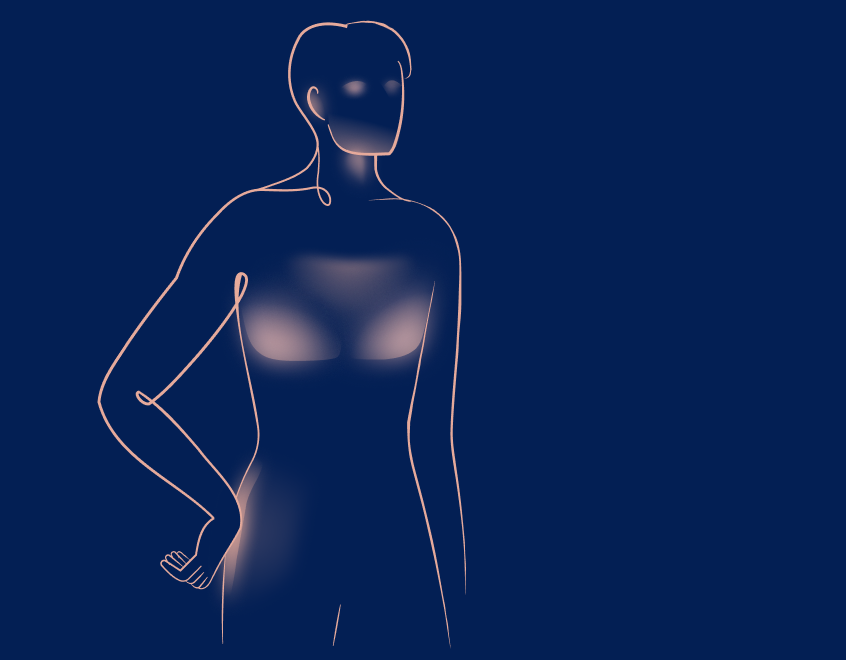
Aesthetic Surgery
Breast Surgery

- 12 breast implant procedures
Gender-Affirming Procedures
- 4 chest masculinization surgeries
- 3 laryngeal prominence reductions (first assistant)
- 2 Brazilian Butt Lift procedures
- 3 facial feminization surgeries (first assistant)
Head and Neck Procedures
- 12 blepharoplasties
- 5 otoplasties
- 9 cervico-facial lifts (first assistant)
i. deep-plane facelift
ii. SMAS plicature facelift
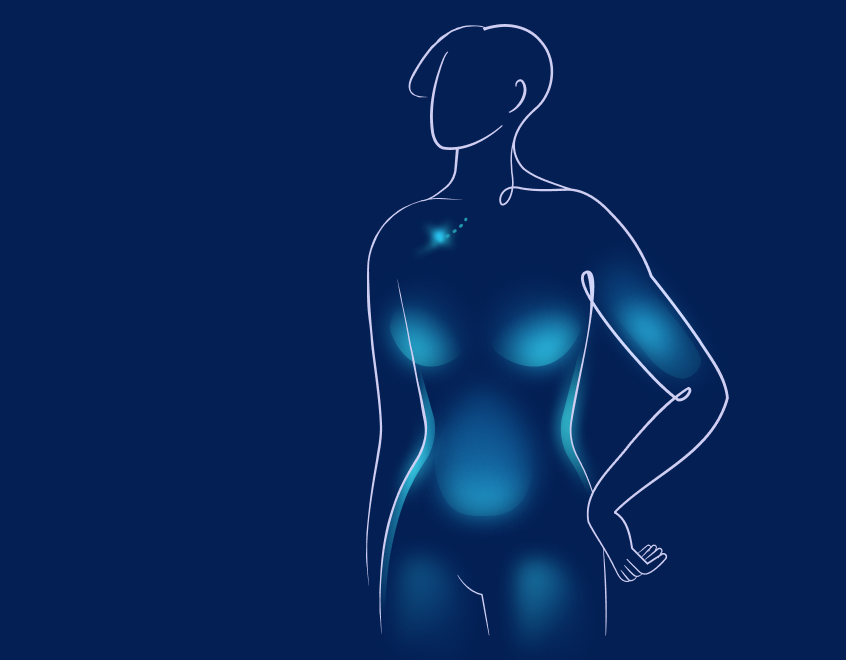
Reconstructive Surgery
Cutaneous & Minor Surgery
- 180 excisions of benign and malignant skin tumors
- 100 cyst removals (including scalp lesions)
- 40 lipoma excisions
- 26 melanoma re-excisions
- 40 scar revisions
- 16 local flap reconstructions
- 10 minor hand surgeries
Breast Surgery
- 84 breast reductions
- 48 post-mastectomy reconstructions using lipofilling
- 101 breast lipofilling procedures
- 20 prosthetic breast reconstructions
- 26 sentinel lymph node biopsies
Body Contouring & Post-Bariatric Surgery
- 27 abdominoplasties
- 15 thigh lifts
- 9 arm lifts
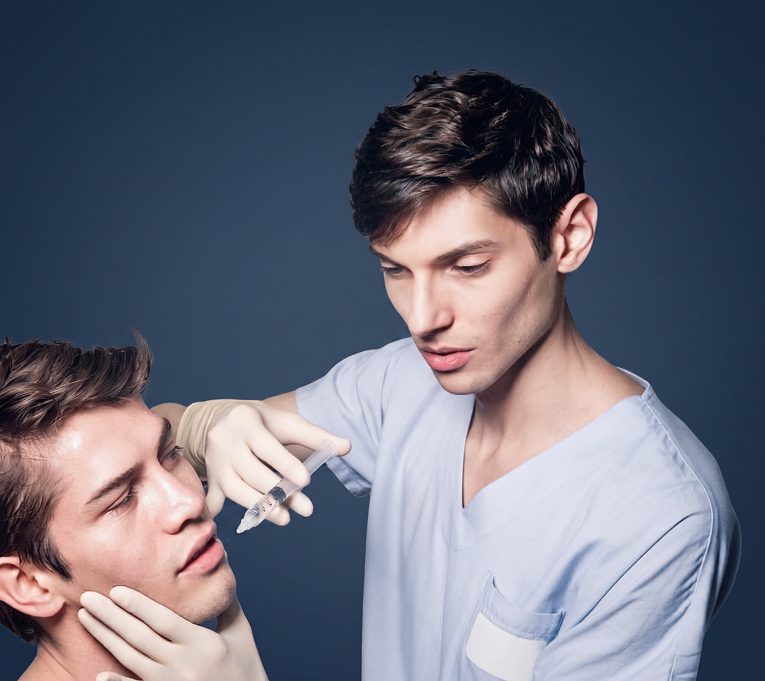
Aesthetic Medicine
Botulinum toxin type A

Hyaluronic acid fillers
Skin quality and regenerative protocols
- Polynucleotides - purified salmon-derived DNA
- Medical chemical peels - exfoliation and transdermal biorevitalization
- Polyrevitalizing complex - non-cross-linked HA combined with other skin nutrients
- Hybrid cooperative HA complexes - tissue bio-remodeling
- Poly-L-lactic acid biostimulator - collagen stimulator
Laser resurfacing and medical laser treatments
- CO2 - skin resurfacing, scar revision, and deep dermal remodeling
- Nd:YAG (1064 nm) - vascular lesions, deep dermal heating, and pigment management
- Er:YAG (2940 nm) - skin rejuvenation & precision epidermal ablation
- Fractional Microneedling Radiofrequency (RF) - Subdermal adipose remodeling and skin tightening
- Dual-wavelength Er:YAG & Nd:YAG Laser platform - non-ablative tightening, resurfacing, and intraoral/perioral rejuvenation
- Picosecond Nd:YAG Laser (1064/532 nm) - photoacoustic pigment fragmentation and tattoo/melasma treatment
- Cryolipolysis - Controlled cooling for localized fat reduction
- Interstitial Diode Laser (1470 nm) - minimally invasive fiber-optic lipolysis and skin retraction
- Near-Infrared (IR) thermolifting & hydro-exfoliation - deep dermal collagen contraction via water-filtered infrared light
- Non-ablative Fractional Diode Laser (1470 nm) - sub-surface thermal micro-columns for texture and tone improvement
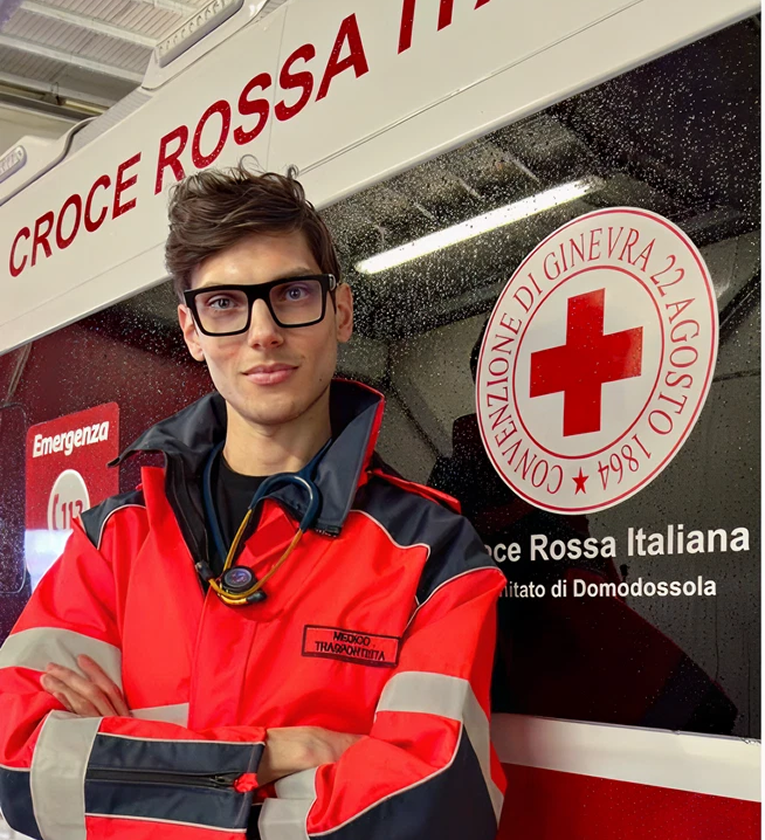
Clinical Medicine & Emergency Care
Ongoing practice in acute medical environments ensuring safety-driven decision making during life-threatening conditions — including acute myocardial infarctions, strokes, sepsis, respiratory crises, severe allergic reactions, and trauma.
Google Reviews
Patients’ experiences often reflect more than any description - they offer a genuine insight into Dr Uderzo's philosophy, his approach, and the way he cares.
Dr Stefano is very, very attentive and very precise in his technique. Everything he does, he does with the utmost care and ensuring you are beyond satisfied with the result the whole way through the process. Would recommend 10/10.
Very welcoming and puts you at ease. Clear description of the intervention to come and the next steps. Overall excellent interaction!
The doctor is kind, professional, and friendly, and has a smile. I went to the emergency room for a wasp sting. Very satisfied.
Frequently Asked Questions
Because being informed the right way leads to more authentic results.
Search for relevant FAQs
What is radiofrequency microneedling and who is it for?

It is a technology that combines two stimuli: microneedles that enter the skin to adjustable depths, and radiofrequency energy that, from the needle tips, delivers heat directly into the dermis and the fat beneath. The heat tightens existing fibres and stimulates new collagen, while the skin surface stays largely intact. A review in Facial Plastic Surgery Clinics of North America documents its use for acne scars, skin laxity and excessive sweating, with limited risk even in darker skin types when the settings are right. Recovery is short: redness and small marks for a few days. The limit should be stated: it improves tone and texture, but it does not replace a facelift when tissues have descended.
Source: Weiner SF. Facial Plastic Surgery Clinics of North America, 2019 — doi:10.1016/j.fsc.2019.03.002
Microsecond Nd:YAG laser: for acne, redness and rosacea?
Nd:YAG lasers at 1064 nm with pulses in the microsecond range work with little pain and minimal downtime. Their main uses are inflammatory acne, diffuse redness and rosacea, small vessels and light rejuvenation. The evidence should be read in balance. In a randomised split-face trial on diffuse facial redness, the pulsed dye laser was more effective (perceived improvement 52% versus 34%), while the microsecond Nd:YAG was less painful. For active acne, a study of 46 patients using a 650-microsecond laser combined with low-dose isotretinoin showed a 72% reduction in severity. A useful tool within a plan, not a stand-alone solution.
Sources: Alam M et al. Journal of the American Academy of Dermatology, 2013 — doi:10.1016/j.jaad.2013.04.015; Gold MH et al. Journal of Drugs in Dermatology, 2020 — doi:10.36849/JDD.2020.M5108
Acne scars: which treatments work?
Acne scars have no single solution, because there are different types — ice-pick, boxcar and rolling scars — that respond to different tools. The most effective treatments are fractional technologies (CO2 or erbium lasers, fractional picosecond lasers) and radiofrequency microneedling, which stimulates collagen deep in the skin with limited risk even in darker skin; the systematic review of picosecond lasers rates the evidence for scar revision at levels II–III. For the most depressed scars, subcision, fillers or biostimulators are often added. If acne is still active, the inflammation is treated first. Several sessions are usually needed, and the realistic goal is a clear improvement, not complete erasure.
Sources: Weiner SF. Facial Plastic Surgery Clinics of North America, 2019 — doi:10.1016/j.fsc.2019.03.002; Wu DC et al. Lasers in Surgery and Medicine, 2021 — doi:10.1002/lsm.23244
Laser for pigmentation and melasma: what actually works?
For sunspots and lentigines, pigment lasers — particularly picosecond lasers — are very effective: they shatter pigment with ultra-short pulses and little heat. A systematic review of 77 studies graded the evidence for benign pigmented lesions between levels I and IV, and at level II for melasma. Melasma, however, is a different matter: it is a chronic condition linked to hormones, sun and visible light, and it tends to recur. Laser can help, but it is not enough on its own and, if too aggressive, can make it worse. The foundation remains strict sun protection, including tinted sunscreens against visible light, combined with dermatological treatment. Be wary of anyone promising to "erase" melasma in one session.
Sources: Wu DC et al. Lasers in Surgery and Medicine, 2021 — doi:10.1002/lsm.23244; Draelos ZD et al. Journal of Drugs in Dermatology, 2024 — doi:10.36849/JDD.7798
Can I have laser treatment in summer or with darker skin?
It depends on the type of laser and your skin type, but caution is essential. Ablative lasers and devices that heat the outer skin increase the risk of post-inflammatory hyperpigmentation — dark patches appearing after treatment — especially in darker skin types (IV–VI) and on tanned skin. A 2024 international consensus recommends broad-spectrum sunscreen for everyone and, after an ablative laser, caution with exfoliants such as alpha-hydroxy acids in skin types IV–VI precisely because of this risk. For this reason the more aggressive treatments are best scheduled in autumn and winter, while gentler devices and settings are chosen in summer. Radiofrequency microneedling, for example, is considered low-risk even in darker skin.
Sources: Draelos ZD et al. Journal of Drugs in Dermatology, 2024 — doi:10.36849/JDD.7798; Weiner SF. Facial Plastic Surgery Clinics of North America, 2019 — doi:10.1016/j.fsc.2019.03.002
What is fractional CO2 laser used for and what is the recovery like?
Fractional CO2 laser creates thousands of microscopic treatment columns in the skin, separated by areas of intact skin: this is the principle of "fractional photothermolysis", described in 2004 by a Harvard group. The surrounding healthy skin speeds up healing, while the heat triggers collagen remodelling that, as human biopsies have shown, continues for at least three months. It is used for fine lines, uneven texture, acne scars, some surgical scars and sun damage. It is an ablative treatment: after the session there is redness, swelling and small crusts for a few days, and strict sun protection is needed in the following weeks. The result improves over months, not days.
Sources: Manstein D et al. Lasers in Surgery and Medicine, 2004 — doi:10.1002/lsm.20048; Hantash BM et al. Lasers in Surgery and Medicine, 2007 — doi:10.1002/lsm.20468
What are polynucleotides and what are they used for?
Polynucleotides are highly purified DNA chains of fish origin, used as regenerative injectables. The aim is to create an environment in the tissues that favours repair: hydration, stimulation of fibroblasts, better skin texture. A consensus of Italian experts published in the Journal of Cosmetic Dermatology defined techniques, doses, number of sessions and intervals for the face, the area around the eyes, neck and décolletage, hands, scalp and stretch marks, describing them as a strategy to "prime" and revitalise the skin. They are particularly interesting for thin, sensitive skin and for the under-eye area.
Source: Cavallini M et al. Journal of Cosmetic Dermatology, 2021 — doi:10.1111/jocd.13679
What are hybrid hyaluronic acid complexes?
They are injectables that combine high- and low-molecular-weight hyaluronic acid in stable complexes, without the chemical cross-linking used in fillers. They do not fill: injected at a few standardised points on each side of the face, they spread through the tissue and aim to improve hydration, firmness and elasticity, an effect known as "bio-remodelling". In an Italian study of 64 women aged 38 to 60, treated with two sessions four weeks apart at five points per side, clinical and instrumental measures improved from weeks 4–8 and were still significant at 16 weeks; mild, temporary local reactions occurred in 23% of cases. The study had no control group: interesting results, to be read with that limitation in mind.
Source: Sparavigna A, Tenconi B. Clinical, Cosmetic and Investigational Dermatology, 2016 — doi:10.2147/CCID.S114450
What is the difference between skin boosters, biorevitalisation and mesotherapy?
The terms are often used interchangeably, but they mean different things. Biorevitalisation consists of superficial micro-injections of non-cross-linked or lightly cross-linked hyaluronic acid, sometimes combined with vitamins, amino acids or antioxidants, to hydrate the skin and improve its glow. "Skin boosters" are specific products with the same goal, sometimes slightly stabilised to last longer. Mesotherapy is the superficial injection technique itself, also used with other substances. None of these treatments adds volume or "lifts": they act on skin quality, which the international consensus describes as a multi-layer issue. They require courses of several sessions and periodic maintenance; the best results are seen on dehydrated, dull skin.
Sources: Goldie K et al. Clinical, Cosmetic and Investigational Dermatology, 2021 — doi:10.2147/CCID.S309374; Sparavigna A, Tenconi B. Clinical, Cosmetic and Investigational Dermatology, 2016 — doi:10.2147/CCID.S114450
Can skin ageing really be slowed down?
Yes, and the tool with the strongest evidence is also the cheapest: daily sunscreen. In a randomised trial in Australia of 903 adults, those who applied a broad-spectrum sunscreen every day showed no detectable increase in skin ageing over 4.5 years, with 24% less ageing than those who used it only occasionally. No injectable or laser treatment can make up for unprotected ultraviolet exposure. So before talking about skin "longevity", the foundation is daily sun protection, no smoking and active skincare chosen for your skin type. Medical treatments are the second level, not the first.
Source: Hughes MC et al. Annals of Internal Medicine, 2013 — doi:10.7326/0003-4819-158-11-201306040-00002
What does "skin quality" mean and how can it be improved?
"Skin quality" is now a precise clinical concept. An international consensus of dermatologists and aesthetic doctors defined good skin quality as healthy, youthful-looking, undamaged skin, described across all ethnicities by four parameters: even tone, even surface texture, firmness and glow. The same group agreed that these parameters depend on several layers, from the surface down to the deep tissues: this is why creams alone are often not enough and a multi-layer strategy is needed. In practice, sun protection and active skincare are combined with regenerative injectables — skin boosters, polynucleotides, biostimulators — and devices such as lasers and radiofrequency, chosen according to the parameter to improve.
Source: Goldie K et al. Clinical, Cosmetic and Investigational Dermatology, 2021 — doi:10.2147/CCID.S309374
Can hands be rejuvenated with fillers or biostimulators?
Yes. With age the back of the hand loses fat and becomes thinner: tendons and veins show and the hands "tell" a different age from the face. Calcium hydroxylapatite is approved to correct volume loss in the face and hands; hyaluronic acid and polynucleotides are also used, as is fat transfer in surgery, while age spots are treated with lasers or dedicated devices. A complete approach therefore combines volume and skin quality. Hands are mobile and have superficial veins: bruising and swelling for a few days are common. The most natural result brings the age of the hands back in line with the face, without making them look "padded".
Sources: Goldie K et al. Dermatologic Surgery, 2018 — doi:10.1097/DSS.0000000000001685; Cavallini M et al. Journal of Cosmetic Dermatology, 2021 — doi:10.1111/jocd.13679