Clinical Credentials
Taking care of 50% men and 50% women: a refined instinct for both the sharp precision of masculine aesthetics and the soft elegance of feminine beauty.
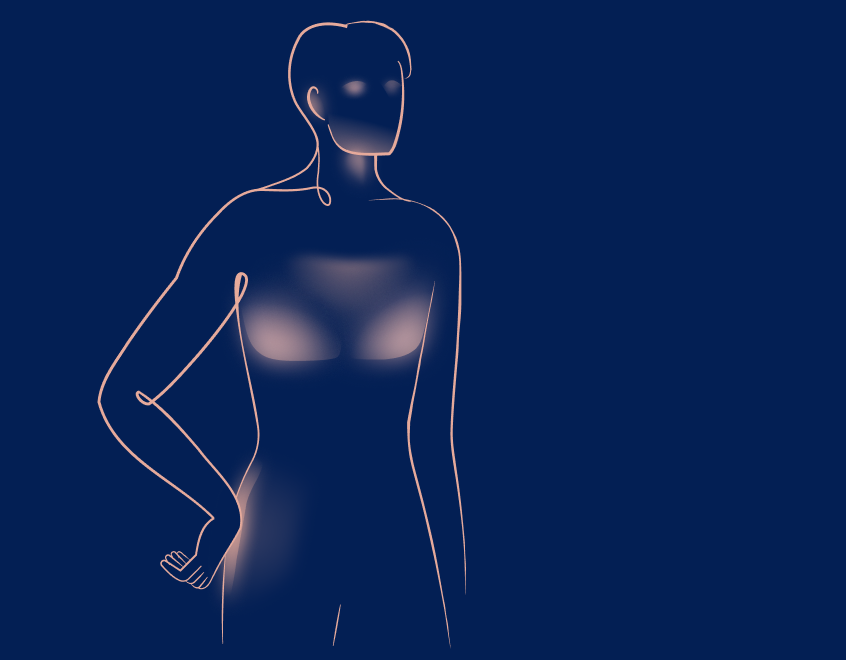
Aesthetic Surgery
Breast Surgery

- 12 breast implant procedures
Gender-Affirming Procedures
- 4 chest masculinization surgeries
- 3 laryngeal prominence reductions (first assistant)
- 2 Brazilian Butt Lift procedures
- 3 facial feminization surgeries (first assistant)
Head and Neck Procedures
- 12 blepharoplasties
- 5 otoplasties
- 9 cervico-facial lifts (first assistant)
i. deep-plane facelift
ii. SMAS plicature facelift
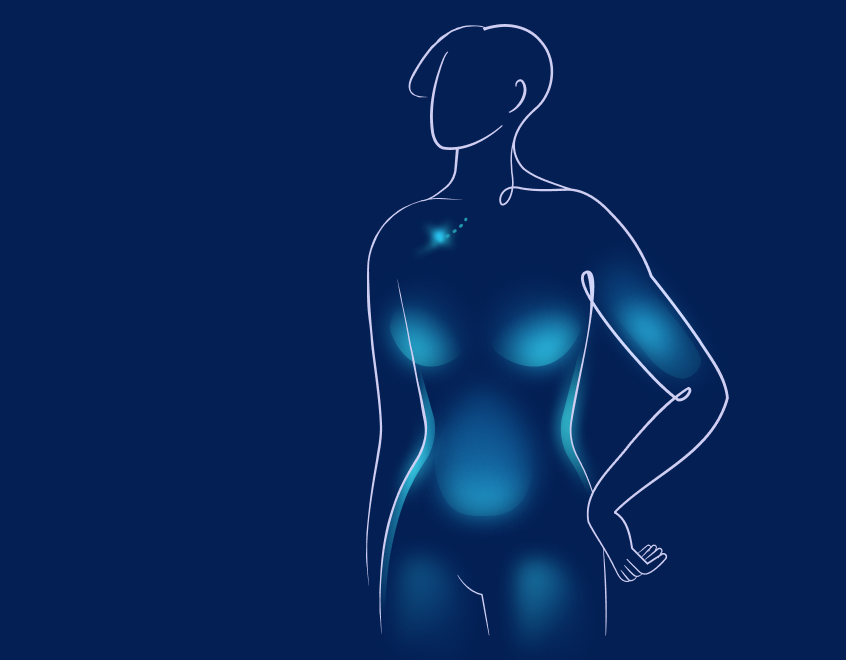
Reconstructive Surgery
Cutaneous & Minor Surgery
- 180 excisions of benign and malignant skin tumors
- 100 cyst removals (including scalp lesions)
- 40 lipoma excisions
- 26 melanoma re-excisions
- 40 scar revisions
- 16 local flap reconstructions
- 10 minor hand surgeries
Breast Surgery
- 84 breast reductions
- 48 post-mastectomy reconstructions using lipofilling
- 101 breast lipofilling procedures
- 20 prosthetic breast reconstructions
- 26 sentinel lymph node biopsies
Body Contouring & Post-Bariatric Surgery
- 27 abdominoplasties
- 15 thigh lifts
- 9 arm lifts

Aesthetic Medicine
Botulinum toxin type A

Hyaluronic acid fillers
Skin quality and regenerative protocols
- Polynucleotides - purified salmon-derived DNA
- Medical chemical peels - exfoliation and transdermal biorevitalization
- Polyrevitalizing complex - non-cross-linked HA combined with other skin nutrients
- Hybrid cooperative HA complexes - tissue bio-remodeling
- Poly-L-lactic acid biostimulator - collagen stimulator
Laser resurfacing and medical laser treatments
- CO2 - skin resurfacing, scar revision, and deep dermal remodeling
- Nd:YAG (1064 nm) - vascular lesions, deep dermal heating, and pigment management
- Er:YAG (2940 nm) - skin rejuvenation & precision epidermal ablation
- Fractional Microneedling Radiofrequency (RF) - Subdermal adipose remodeling and skin tightening
- Dual-wavelength Er:YAG & Nd:YAG Laser platform - non-ablative tightening, resurfacing, and intraoral/perioral rejuvenation
- Picosecond Nd:YAG Laser (1064/532 nm) - photoacoustic pigment fragmentation and tattoo/melasma treatment
- Cryolipolysis - Controlled cooling for localized fat reduction
- Interstitial Diode Laser (1470 nm) - minimally invasive fiber-optic lipolysis and skin retraction
- Near-Infrared (IR) thermolifting & hydro-exfoliation - deep dermal collagen contraction via water-filtered infrared light
- Non-ablative Fractional Diode Laser (1470 nm) - sub-surface thermal micro-columns for texture and tone improvement
Clinical Medicine & Emergency Care
Ongoing practice in acute medical environments ensuring safety-driven decision making during life-threatening conditions — including acute myocardial infarctions, strokes, sepsis, respiratory crises, severe allergic reactions, and trauma.
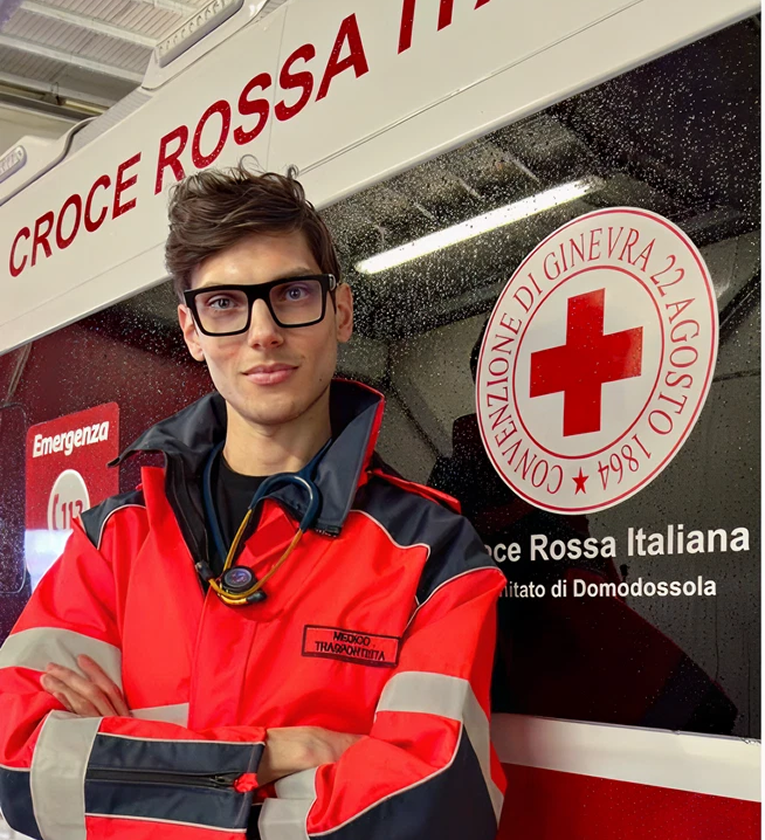
Google Reviews
Patients’ experiences often reflect more than any description - they offer a genuine insight into Dr Uderzo's philosophy, his approach, and the way he cares.
Dr Stefano is very, very attentive and very precise in his technique. Everything he does, he does with the utmost care and ensuring you are beyond satisfied with the result the whole way through the process. Would recommend 10/10.
Very welcoming and puts you at ease. Clear description of the intervention to come and the next steps. Overall excellent interaction!
The doctor is kind, professional, and friendly, and has a smile. I went to the emergency room for a wasp sting. Very satisfied.
Frequently Asked Questions
Because being informed the right way leads to more authentic results.
Search for relevant FAQs
Can I have a tummy tuck if I want more children?

It is generally advised to wait until your family is complete: a new pregnancy can stretch skin and muscles again and reduce the result achieved. It is not, however, an absolute contraindication to a later pregnancy: published experience, limited mostly to individual case reports, describes full-term pregnancies without complications after abdominal contouring surgery, and the literature does not regard previous surgery as an obstacle to pregnancy. The evidence is nonetheless scarce and of modest quality. If you plan more children soon, it may make more sense to postpone the tummy tuck and work in the meantime with physiotherapy for the abdominal wall and pelvic floor.
Source: West W et al. Cureus, 2024 — doi:10.7759/cureus.68138
What are the risks of a tummy tuck and what is the recovery like?
In the vast majority of cases there are no serious complications. In an analysis of 25,478 abdominoplasties, about 97 in 100 patients who had a tummy tuck alone had no major complications. When complications do occur, they are mainly haematomas, infections and blood clots, and the risk rises with known factors: a body mass index of 30 or more, age 55 or over, male sex, and several procedures in the same session. Much can be done beforehand: reaching a stable weight, scheduling procedures separately, assessing the risk of blood clots and using prevention when indicated. In a series of 65 patients operated on with "progressive tension sutures", there were no haematomas or seromas. Recovery involves a compression garment and a gradual return: desk activities after a few weeks, sport later.
Sources: Winocour J et al. Plastic and Reconstructive Surgery, 2015 — doi:10.1097/PRS.0000000000001700; Pollock H, Pollock T. Plastic and Reconstructive Surgery, 2000 — doi:10.1097/00006534-200006000-00047
Diastasis recti: when is surgery needed?
Diastasis is the separation of the rectus abdominis muscles along the midline, common after pregnancy. The European Hernia Society guidelines define it as a separation wider than 2 cm and suggest considering physiotherapy as the first step. Surgery becomes an option when significant symptoms persist — core instability, a protruding abdomen, marked cosmetic distress — or when there are associated hernias: without a hernia, the linea alba is plicated (sutured); with midline hernias, a mesh repair is suggested. Our systematic review found no difference in complications or recurrence between women after childbirth and post-bariatric patients, but highlighted the need for better-quality studies.
Sources: Hernández-Granados P et al. British Journal of Surgery, 2021 — doi:10.1093/bjs/znab128; Uderzo S et al. Acta Chirurgiae Plasticae, 2025 — doi:10.48095/ccachp2025235
Tummy tuck (abdominoplasty): who is it for and what does it correct?
A tummy tuck removes excess skin and fat from the lower abdomen and, when needed, repairs separated rectus muscles (diastasis recti). It is indicated after pregnancies or major weight loss, when the skin has not shrunk back and the abdominal wall is lax: problems that neither diet nor exercise can fix. It is not a weight-loss operation: the best results come with a stable weight close to your ideal. The scar is low, hidden by underwear, and the belly button is repositioned. A systematic review of 47 studies, of which I am first author, showed that repairing diastasis during a tummy tuck appears effective both in women after childbirth and in patients after bariatric surgery, with no method proven superior to the others.
Source: Uderzo S, Esposito E, Vampa F, Sapienza M, Faenza M, Grella E, Nicoletti G. Acta Chirurgiae Plasticae, 2025 — doi:10.48095/ccachp2025235
Gynecomastia (male breasts): how is it corrected?
Gynecomastia is enlargement of the breast in men and it is very common: according to the literature it affects between 32% and 65% of the male population. Before surgery the cause — medicines, hormones, substances, weight — should be assessed with a consultation and, if needed, targeted tests. The correction depends on what the tissue is made of. When fat predominates, liposuction, including ultrasound-assisted liposuction, is often enough; when there is firm glandular tissue, a small excision through an incision at the edge of the areola is added; with a lot of excess skin, a true skin resection is needed. In a series of 61 patients, liposuction alone was successful in 86.9% of cases, with excision reserved for the most severe.
Source: Rohrich RJ et al. Plastic and Reconstructive Surgery, 2003 — doi:10.1097/01.PRS.0000042146.40379.25
Breast lift (mastopexy): with or without implants? How long does it last?
A breast lift raises and reshapes deflated or sagging breasts (breast ptosis), repositioning the areola and gland and removing excess skin. If volume is also lacking, an implant or fat transfer can be added. Combining a lift and implants in one operation is possible but technically more complex: in a series of 332 consecutive cases, the complication rate was 22.9% and the reoperation rate 23.2%, mainly for capsular contracture, suboptimal scars and recurrent sagging; the authors still consider it safe with careful patient selection. How long it lasts depends on weight, pregnancies and skin quality: gravity keeps working, so the result is stable but not permanent.
Source: Calobrace MB et al. Plastic and Reconstructive Surgery, 2013 — doi:10.1097/PRS.0b013e318272bf86
Will I be able to breastfeed after breast surgery (augmentation or reduction)?
Many women can, but it is right to know the data before surgery. After a reduction, what matters most is how much glandular tissue connected to the nipple is preserved: a systematic review of 51 studies found a median breastfeeding success of 4% with techniques that do not preserve the column of tissue beneath the areola, 75% with partial preservation and 100% with full preservation. After augmentation, a meta-analysis found a lower likelihood of exclusive breastfeeding (relative risk 0.63) compared with women without implants, with no difference linked to an incision around the areola. If you want to breastfeed, say so at the consultation: it changes the choice of technique.
Sources: Kraut RY et al. PLoS One, 2017 — doi:10.1371/journal.pone.0186591; Cheng F et al. Journal of Human Lactation, 2018 — doi:10.1177/0890334418776654
What scars does breast reduction leave? Which technique is best?
Techniques differ in the shape of the scar and in how the areola is kept supplied with blood and repositioned. The most common leave a scar around the areola plus a vertical one, or add a horizontal scar in the fold under the breast ("inverted T" or "anchor"), usually needed for larger reductions. Scars are permanent but improve considerably over the following months. A frequent question is whether the technique changes the benefit patients perceive: in our prospective study of 95 patients, improvement in quality of life and satisfaction did not differ significantly between techniques. What matters is choosing the one best suited to the volume, degree of sagging and skin quality of each patient.
Source: Molle M, Uderzo S et al. Aesthetic Plastic Surgery, 2024 — doi:10.1007/s00266-024-04050-w
When is breast reduction indicated? How does it change quality of life?
It is indicated when overly large breasts cause neck, shoulder and back pain, bra-strap grooves, skin irritation under the breast, difficulty with sport or clothing, as well as psychological distress. It is among the operations with the highest satisfaction. In a prospective study carried out at the Plastic Surgery School of the University of Campania "Luigi Vanvitelli", which I co-authored, 95 patients completed the validated BREAST-Q questionnaire before and six months after surgery: quality of life improved significantly and average satisfaction with the outcome was 81 out of 100. When the clinical criteria are met, the operation may be covered by Italy's national health service.
Source: Molle M, Uderzo S, D'Addato C, Gesuete FP, Nicoletti GF, Ferraro GA. Aesthetic Plastic Surgery, 2024 — doi:10.1007/s00266-024-04050-w
My breasts are asymmetrical: can this be corrected?
Yes, and it is more common than people think: some degree of asymmetry is the norm, and many women seeking breast surgery have differences in volume, shape, nipple position or the fold under the breast, sometimes linked to the shape of the chest wall. In a series of 406 breast augmentation patients, 10.6% had a chest wall deformity, such as a sunken chest, which required implants of different shape and profile on each side. Correcting asymmetry means combining different tools: different implants, fat transfer, a lift on one side only. It is a subject on which I presented a tailored treatment algorithm at the 2025 ASPS annual meeting. The realistic goal is harmonious breasts, not perfect symmetry, which does not exist in nature.
Source: Ors S. Aesthetic Plastic Surgery, 2017 — doi:10.1007/s00266-017-0953-5
After breast augmentation, when can I go back to work and the gym?
It depends on the technique, the implant plane and the type of work, but recovery today is much faster than it used to be. In a series of 627 patients, surgeon John Tebbetts showed that with careful preparation, precise dissection and meticulous control of bleeding, 96% of women could return to normal activities — raising their arms, driving, carrying light loads — within 24 hours. This result is tied to that technique, not a rule for everyone. As a general guide: office work after a few days, light exercise after a few weeks, intense chest exercises and heavy lifting later, with a support bra as your surgeon advises.
Source: Tebbetts JB. Plastic and Reconstructive Surgery, 2002 — PubMed 11786828
What is breast implant illness?
The term describes general symptoms — fatigue, joint pain, difficulty concentrating, sleep problems — that some women with implants attribute to them. It is not a defined medical diagnosis: so far studies have not shown a clear cause-and-effect relationship, but the symptoms reported are real and deserve to be listened to, not dismissed. A review in Plastic and Reconstructive Surgery traced the history of the debate, highlighted the limits of the literature and proposed studying it systematically through international breast-device registries. In practice: anyone with symptoms should be assessed to rule out other causes and, if they wish, can discuss implant removal, knowing that improvement in symptoms is not guaranteed.
Source: Magnusson MR et al. Plastic and Reconstructive Surgery, 2019 — doi:10.1097/PRS.0000000000005573